

He had to sit down then-fiancée Meg Ryan and explain what was going on. “Drinking caused weight gain,” he told Today in September 2022, “but it also weighed down my mental state.” “Mama, I’m so sorry I’m not sober anymore / And Daddy please forgive me for the drinks spilled on the floor https://accountingcoaching.online/alcoholism-anger-management-mental-health/ / To the ones who never left me / We’ve been down this road before I’m so sorry, I’m not sober anymore,” she sang. She added, “It’s so funny. When we reveal ourselves and our truths and the things we’ve worked so hard for, it’s so liberating and vulnerable all at the same time.”
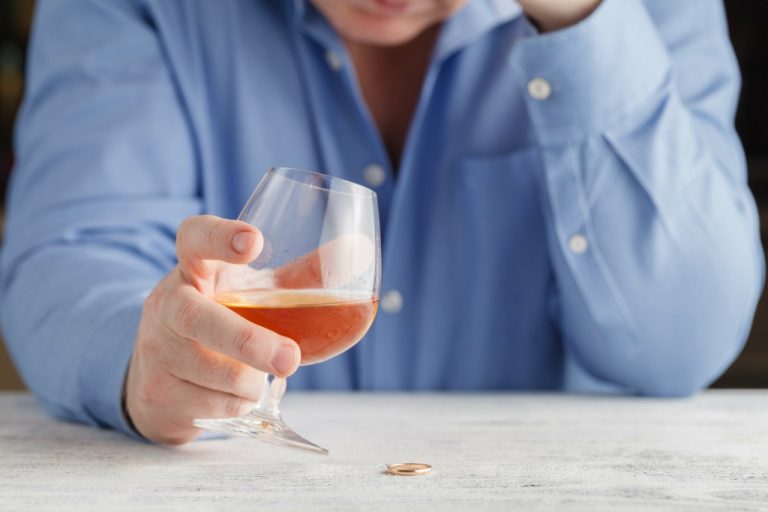
Getting sober is when someone stops using an intoxicating substance. It can include a medically-supervised detox, various forms of treatment, including therapy and 12-step programs, and calling upon family, friends, and professionals for additional support. Like any addiction, you can build up a tolerance, needing more exercise to achieve the desired results.
Sobriety protects your gains.
Medical addiction experts too, solid recovery programs, and all kinds of great books to help you on the journey. What may have begun as a choice becomes a compulsion, with physical changes taking place in the body and brain that support it. There are physical addictions to alcohol, prescription drugs, and illegal drugs. Sugar and sweets are often recommended to help with cravings early in sobriety, because our bodies used to metabolize sugars from alcohol and drugs. But, large amounts of sugar, high-calorie foods, and high-fat foods light up the same area of our brains as drugs like heroin and cocaine.
We want to un-train our brains to expect these dopamine spikes, which might lead us back to using substances to find them. We know eating healthy foods is good for our bodies, but it’s also helpful to our sobriety. We know that smoking isn’t doing our lungs any favors, but perhaps we should Bored, Bored, Bored, and Overeating look at the other consequences of keeping this addiction in our lives. The National Institute on Alcohol Abuse and Alcoholism conducted a study which determined that alcoholics who quit smoking during their time in recovery were 25 percent more likely to maintain long-term sobriety.